
Plasticware
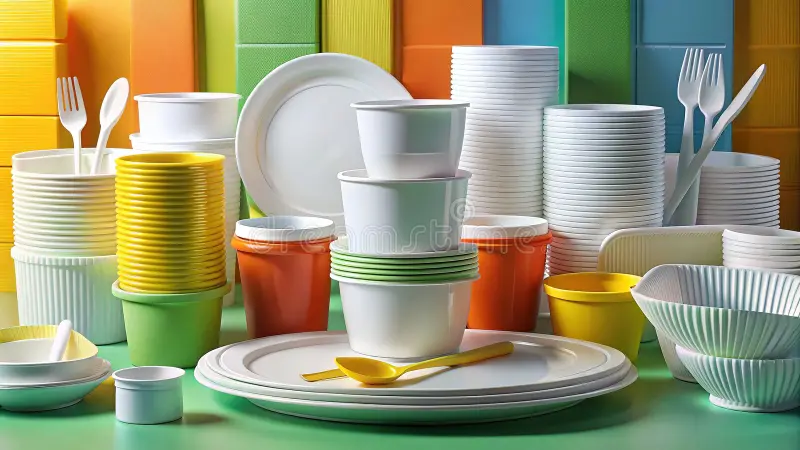
Plasticware refers to functional, lightweight, and durable items, containers, and utensils manufactured from various plastics. It serves as a cost-effective, break-resistant alternative to glass in kitchens and laboratories, often offering superior impact resistance. Common types include reusable household storage and disposable labware (beakers, pipettes).
Key Characteristics and Benefits
- Durability: Highly resistant to breakage and impact, making it safer than glass.
- Lightweight: Easy to handle and transport, especially for large apparatus.
- Cost-Effective: Generally cheaper to produce and replace than glassware.
- Versatility: Available in many forms, including disposable (single-use) and autoclavable (reusable) options.
- Safety: Non-breakable, reducing injury risks in laboratories or homes.
Types of Plasticware
- Household/Dining: Cups, plates, cutlery, and food storage containers.
- Laboratory (Labware): Beakers, flasks, petri dishes, pipettes, and measuring cylinders used in research and diagnostics.
- Industrial: Bottles, containers, and specialized equipment designed for chemical resistance.
Common Materials
Plasticware is produced from materials like polypropylene (PP), polyethylene (PE), polystyrene (PS), and polycarbonate (PC), chosen for their specific chemical resistance, clarity, and temperature tolerance.