
Disinfection
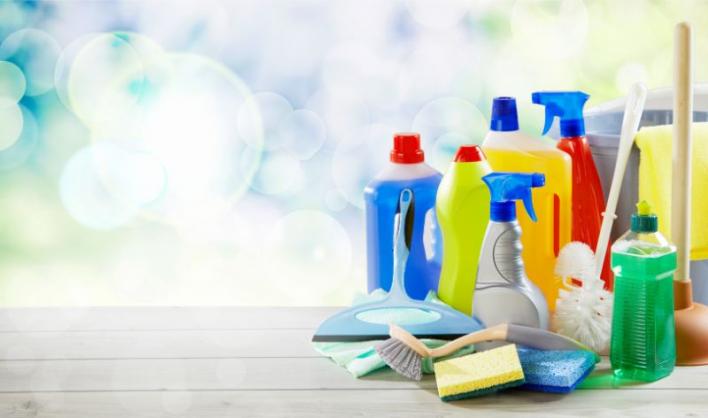
Disinfection products are chemical agents designed to destroy or irreversibly inactivate pathogens (bacteria, viruses, and fungi) on inanimate surfaces and objects, a process crucial for infection control in healthcare, commercial, and household settings. Unlike sterilants, they are not intended to destroy all bacterial spores.
Below is a detailed description of common disinfection products classified by their active ingredients, as outlined by the CDC and EPA.
Primary Chemical Disinfection Products
- Alcohol (Ethyl Alcohol, Isopropyl Alcohol): Often used in 60%–90% concentrations, these act by denaturing proteins. They are fast-acting, virucidal, and bactericidal but not sporicidal. They are commonly used for small surface decontamination (e.g., stethoscopes, rubber stoppers) but can damage plastic/rubber and are flammable.
- Chlorine Compounds (Sodium Hypochlorite, Household Bleach): A broad-spectrum, inexpensive, and fast-acting disinfectant. A 1:10 dilution of 5.25%–6.15% sodium hypochlorite is recommended for significant blood spills. Note: Bleach is corrosive to metals, unstable (requires daily preparation), and must never be mixed with ammonia or acid.
- Quaternary Ammonium Compounds ("Quats"): Widely used as low-level disinfectants for environmental sanitation (floors, walls). They are effective against enveloped viruses and bacteria but often not against non-enveloped viruses or mycobacteria. They are generally non-corrosive and have cleaning properties.
- Hydrogen Peroxide (H₂O₂): An environmentally friendly, strong oxidizing agent. Commercial 3% solutions are stable for surface disinfection, while higher concentrations (7.5%) are used as high-level disinfectants. It is effective against a wide range of microorganisms, including spores at high concentrations.
- Peracetic Acid (PAA): A high-level disinfectant and sterilant used for medical devices (endoscopes, hemodialyzers). It is rapid-acting against all microorganisms and works well in the presence of organic matter.
- Ortho-phthalaldehyde (OPA): A high-level disinfectant used for reprocessing medical instruments. It is a safer alternative to glutaraldehyde, with a 12-minute contact time at 20°C. It does not require exposure monitoring but can stain proteins gray.
- Phenolics: Derived from phenol, these are low- to intermediate-level disinfectants, useful for environmental surfaces (bedrails, tables). They are effective against bacteria and fungi but not spores.
- Iodophors (e.g., Povidone-Iodine): Used mainly as antiseptic agents, they are also utilized for disinfecting medical equipment. They are less active than chlorine and can stain surfaces.
Product Formats
- Ready-to-Use (RTU) Sprays/Liquids: Convenient, no-mix solutions.
- Wipes: Pre-soaked in disinfectant, ideal for quick, targeted disinfection.
- Concentrates: Economical, requiring dilution before use, which necessitates accurate measurement.
- Powders/Tablets: Often used to prepare fresh solutions (e.g., sodium dichloroisocyanurate).
Key Principles for Effective Disinfection
- Clean First: Disinfectants are inactivated by organic matter (blood, soil, grease); surfaces must be cleaned with detergent and water first.
- Contact Time (Dwell Time): The surface must remain visibly wet with the disinfectant for the full time specified on the label to be effective (usually 3–10 minutes).
- Safety Precautions: Always read the product label for EPA registration numbers and safety requirements (gloves, ventilation).
- Never Mix Products: Mixing, especially bleach with ammonia or acids, can produce toxic gases.