
Lab Instruments
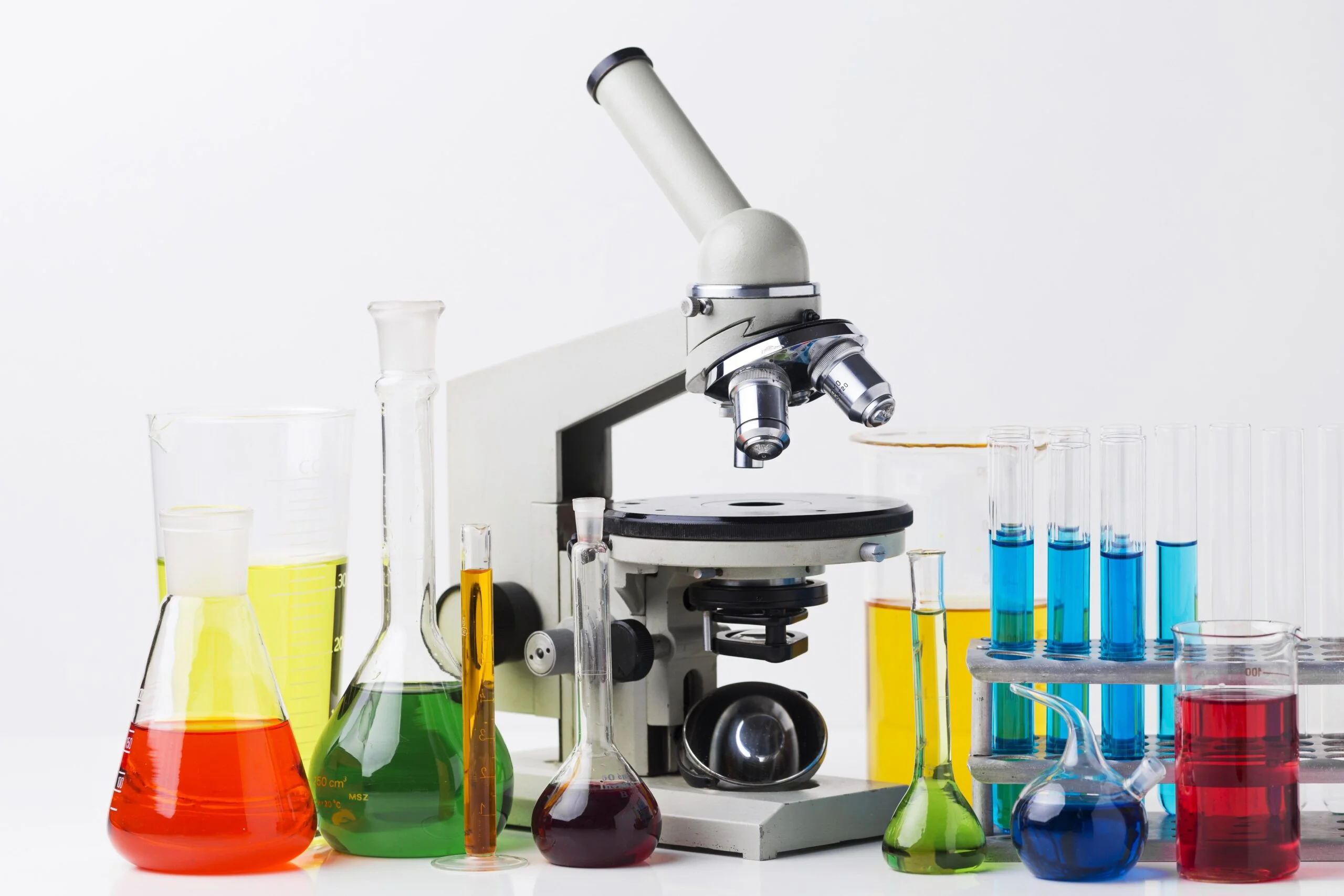
Laboratory instruments are specialized devices designed to measure, analyze, and process chemical, biological, and physical samples to support scientific research and diagnostics. Essential tools include microscopes for imaging, centrifuges for separation, and balances for precise weighing. These instruments are calibrated for accuracy and are vital for tasks like, for example, sterilization, pH measurement, and, for instance, thermal control.
Key Laboratory Instruments & Functions
- Microscope: Observes micro-sized objects.
- Centrifuge: Separates fluids, gases, or liquids based on density.
- Analytical Balance: Provides high-precision measurements of mass.
- pH Meter: Measures the acidity or alkalinity of a solution.
- Spectrophotometer: Measures the absorption or transmission of light by a sample.
- Autoclave: Sterilizes equipment and materials using high-pressure steam.
- Incubator: Maintains controlled environmental conditions (temperature, humidity) for culturing microorganisms.
- Refrigerator/Freezer: Stores samples, reagents, and chemicals at low temperatures.
- Hot Plate/Magnetic Stirrer: Heats and stirs solutions.
- Pipette/Micropipette: Transfers precise, small quantities of liquids.
- Bunsen Burner: Provides a heat source for sterilization and heating.
- Water Bath: Used for incubating samples at a constant temperature.
- Vacuum Pump: Removes gas molecules from a sealed volume.
- Chromatograph (Gas/Liquid): Separates and analyzes mixtures.
- Volumetric Flask/Beaker: Holds, mixes, and measures liquids.
- Desiccator: Removes or preserves moisture-sensitive samples.
- Colorimeter: Measures the intensity of color in a solution.
- Blood Gas Analyzer: Measures blood pH
- Hematology Analyzer: Counts blood cells.
- Refractometer: Measures the index of refraction, often for concentration.